

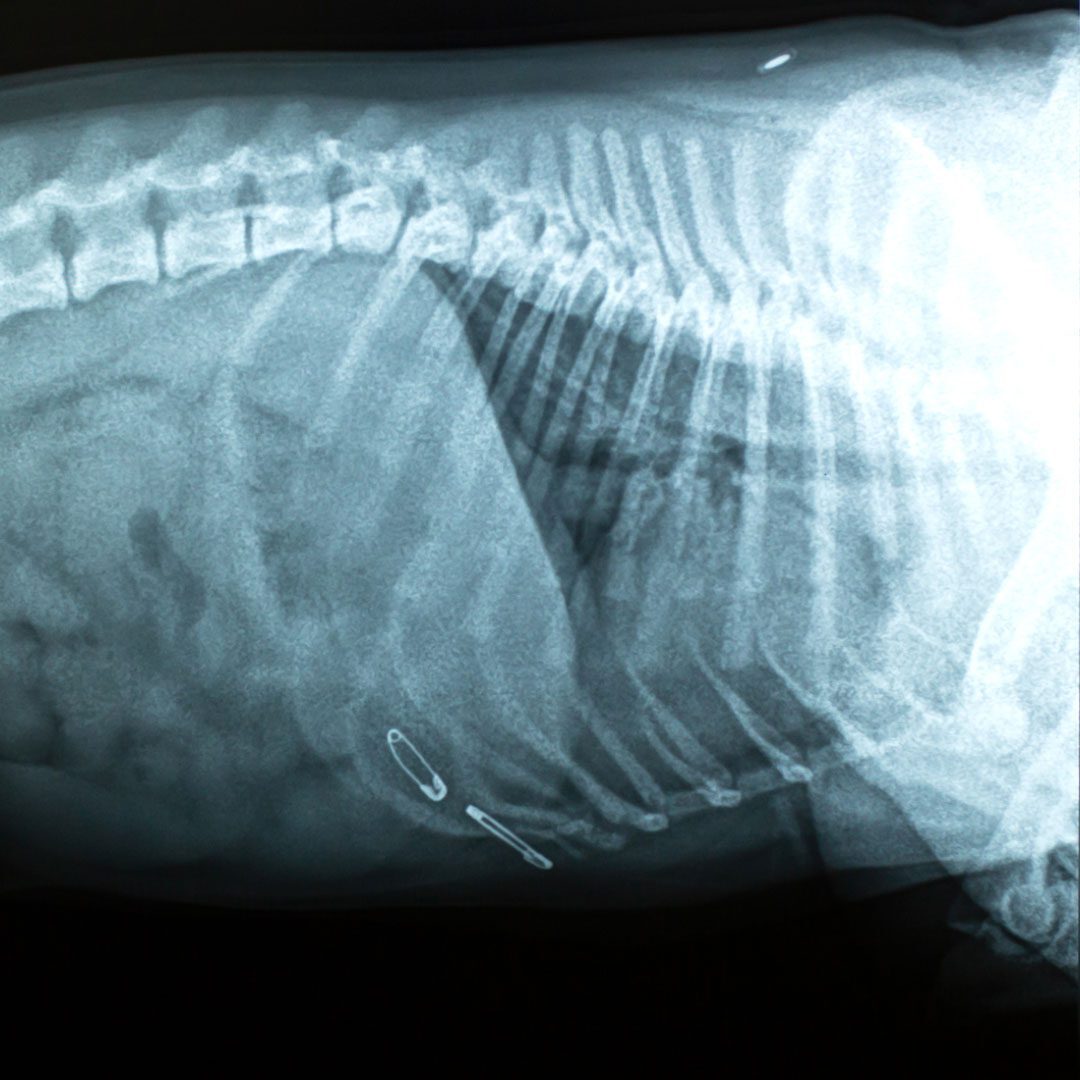
When your pet is sick, injured, or being evaluated for surgery, getting the right answers matters. C.A.R.E.S. provides veterinary diagnostics to help identify what is happening, determine whether surgery is needed, and guide the safest next step.
At our animal hospital in Studio City, CA, we combine in-house laboratory testing, ultrasound, and access to mobile CT imaging so our team can gather meaningful information without adding unnecessary steps. Because diagnostics often shape the entire treatment plan, we focus on choosing the tests that are most useful for your pet’s condition.
Why Are Veterinary Diagnostics Important?
Many illnesses and injuries cannot be fully understood from a physical exam alone. Diagnostic testing helps our veterinarians look beneath the surface and gather information about your pet’s organs, bloodwork, soft tissues, bones, and other structures.
Diagnostics may be recommended to:
-
Investigate unexplained symptoms
-
Evaluate an injury
-
Prepare for surgery
-
Assess organ function
-
Locate masses or abnormalities
-
Monitor an existing condition
-
Determine whether further treatment is needed
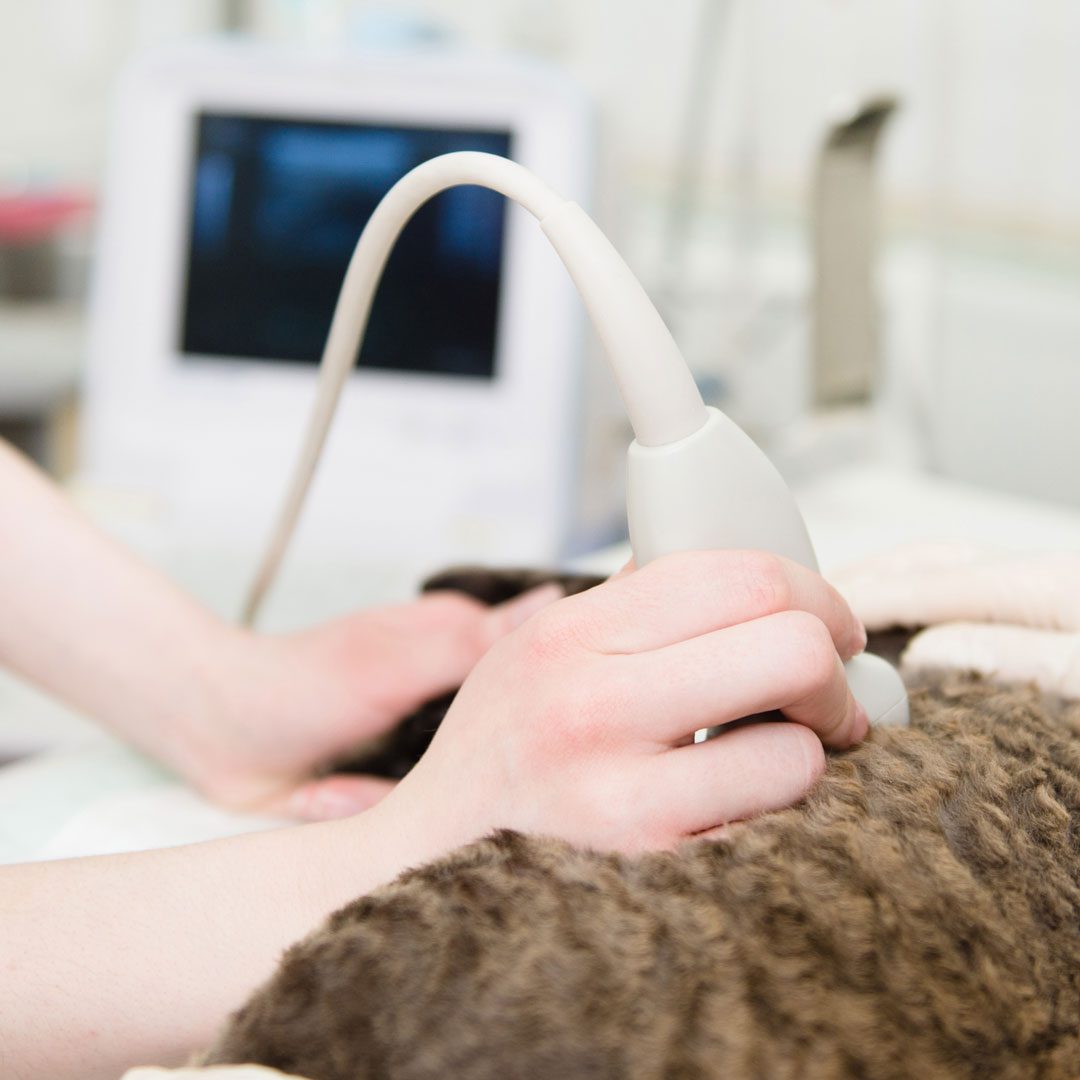
What Diagnostic Services Does C.A.R.E.S. Offer?
Keeping diagnostic testing closely connected to treatment can make the process more efficient and easier to coordinate. At C.A.R.E.S., many tests can be performed in the same facility where your pet is being evaluated, treated, or prepared for surgery, allowing our team to review results in the context of the full case and use that information to guide next steps more quickly.
How Do Diagnostics Support Surgical Planning?
For many patients at C.A.R.E.S., diagnostics are an important part of deciding whether surgery is appropriate and how the procedure should be approached.
Bloodwork can help evaluate organ function and anesthetic readiness. Ultrasound may help identify abdominal or soft tissue abnormalities, while CT imaging can provide detailed information about complex anatomy, injuries, or masses.
By gathering the right information before treatment begins, our surgical team can plan more precisely and avoid moving forward without a clear understanding of the problem.
Consolidate your pet’s care by scheduling diagnostic testing at C.A.R.E.S. prior to surgery or treatment.